You received a budget.
Now what?
Most investor groups and housing cooperatives have no straightforward way to evaluate a construction quote. The numbers look specific, but without market context, they're hard to interpret. That's the gap we fill.

Information asymmetry in construction
When a construction company submits a budget, they're drawing on detailed knowledge of current material costs, labor rates, and subcontractor pricing. The client group — whether an investor syndicate or a housing cooperative — typically doesn't have access to that same level of market detail.
This information gap isn't necessarily evidence of wrongdoing. Construction costs are genuinely complex, and legitimate variation exists. But without a reference point, it's difficult to know whether a line item is priced appropriately, conservatively, or significantly above what the market would suggest.
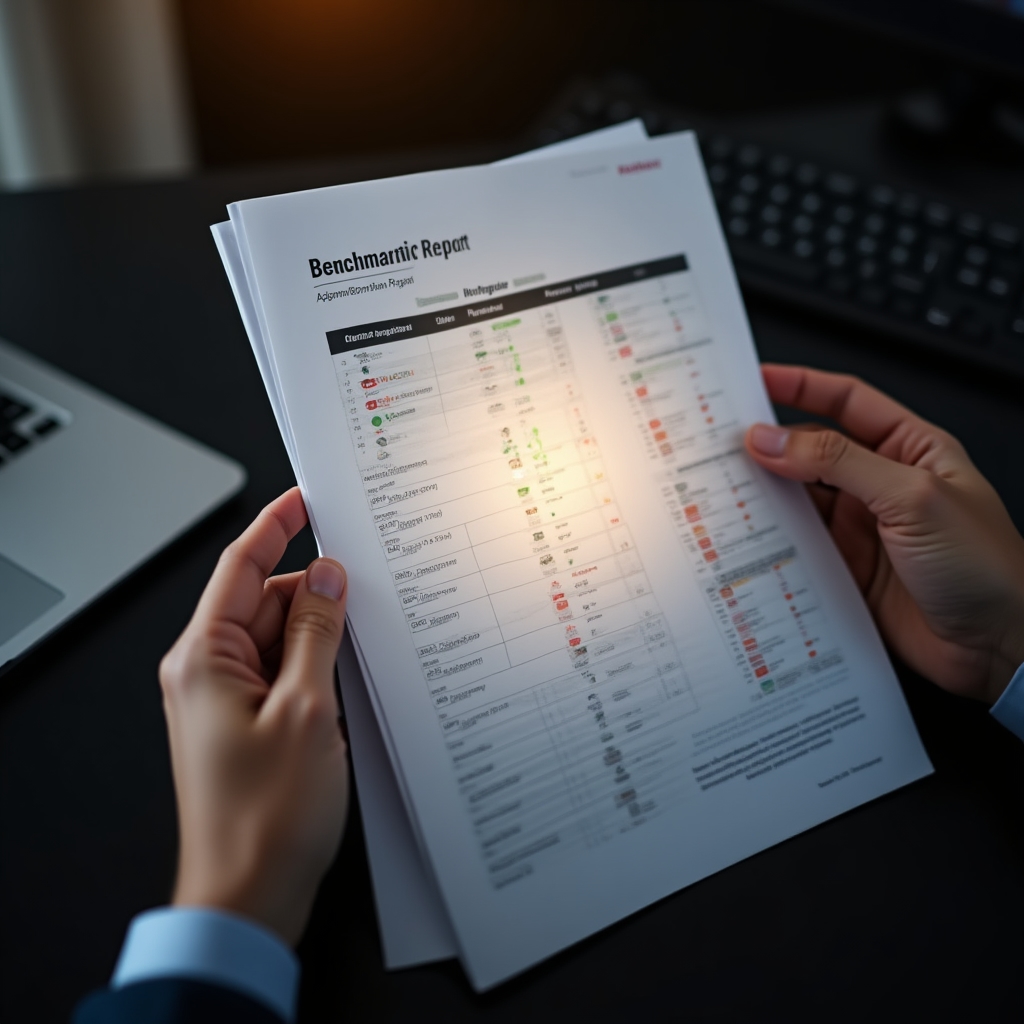
Our benchmarking service provides that reference point. We compare your submitted budget against current market data for the same typology, zone, and finish specification — and show you the variance for each category.
A structured, visual comparison of your construction budget against current market cost references for your region and typology. Not a valuation. Not a recommendation. A data comparison.
Groups that benefit from cost benchmarking
Real Estate Investor Groups
Syndicates and informal investor groups evaluating developer proposals for residential or mixed-use projects. A benchmark helps the group assess whether the construction cost component of a deal is in line with market norms.
Housing Cooperatives
Cooperatives that have received a construction quote from a builder and want to understand whether the pricing is consistent with current market data before the general assembly votes on the contract.
Community Development Groups
Organizations managing housing or infrastructure projects on behalf of a community, seeking an independent reference point before committing public or pooled funds to a construction contract.
Groups in Negotiation
Investor groups or cooperatives already in negotiation with a builder who want structured market data to inform their discussions — not as a negotiating weapon, but as a factual reference.
Multi-Phase Projects
Groups managing projects across multiple phases who want to track whether cost assumptions remain consistent as new budgets are submitted for each stage of construction.
Pre-Commitment Due Diligence
Groups conducting due diligence before signing a construction contract and wanting an independent data point on whether the cost structure is consistent with current market conditions.
What your group receives
Our benchmarking reports are designed to be shared within a group — clear enough for members without a construction background to understand, and detailed enough to be useful for those who do.
Each report includes a line-by-line comparison table with traffic-light signals, the market reference range used for each category, and notes on any items that warrant further clarification from the builder.